
11/08/2025
Solving Access to Capital and Wealth Gaps in Emerging U.S. Markets: A Strategic Approach with Bridge Loans and Preferred Equity
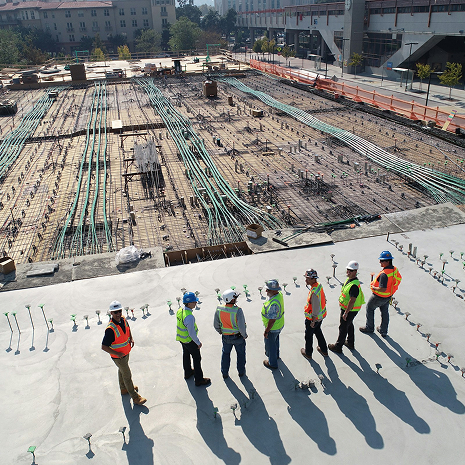
Access to capital remains one of the most significant barriers to economic growth in emerging domestic markets (EDMs) and underserved communities across the United States. These areas, often rich in potential but overlooked by traditional lenders, require surgically targeted financial products, forward-thinking underwriting models, and strategic capital deployment to bridge the wealth gap and drive economic transformation.
For commercial real estate investors, developers, and business owners, understanding and leveraging bridge loans and preferred equity syndication can be the key to unlocking opportunities that benefit both investors and the broader community. This article explores how these financial tools can:
- Solve access to capital challenges
- Reduce wealth disparities
- Address income inequality
- Serve as economic catalysts in underserved areas
- The Capital Access Problem in Emerging Markets
Despite the U.S. economy’s overall strength, many communities lack access to the capital necessary for real estate development, business expansion, and infrastructure improvements. Several factors contribute to this issue:
- Traditional lenders avoid risk– Banks and institutional lenders hesitate to finance projects in communities with less historical investment or lower credit ratings.
- Undervalued assets– Many commercial properties in underserved markets have strong potential but lack comparables for traditional appraisal-based underwriting.
- Lack of developer liquidity– Many local developers and business owners have strong operational expertise but insufficient upfront capital or balance sheet strength to secure institutional funding.
- Regulatory and compliance burdens– Smaller developers and investors face complex regulations and bureaucratic hurdles that slow project momentum.
Without specialized financing solutions, these challenges continue to exacerbate income inequality and limit economic mobility in these communities.
- The Role of Bridge Loans in Closing Capital Gaps
What Are Bridge Loans?
Bridge loans provide short-term, asset-backed capital that enables commercial real estate investors and developers to:
- Acquire undervalued assetsthat traditional banks would not finance
- Fund pre-development costsbefore securing long-term financing
- Stabilize propertiesby completing renovations, securing tenants, or improving cash flow
- Refinance maturing debtwhen long-term capital is not yet available
How Bridge Loans Solve Capital Access Issues in Underserved Markets
- Flexible underwriting:Unlike banks that rely on past financials, bridge lenders focus on the project’s future potential.
- Speed to funding:Traditional loans take months, while bridge loans can be deployed in weeks, ensuring projects don’t stall.
- Non-recourse options:Borrowers can secure financing based on property value rather than personal creditworthiness.
- Customized structures:Bridge loans can be tailored for mixed-use developments, adaptive reuse projects, and affordable housing in underserved communities.
By injecting short-term capital, bridge loans allow developers to unlock value, complete projects, and attract follow-on investment that benefits local economies.
- Preferred Equity: A Scalable Solution for Economic Growth
What Is Preferred Equity?
Preferred equity investments provide capital to commercial real estate projects in exchange for a preferred return, ranking above common equity but below senior debt in the capital stack.
Why Preferred Equity Works in Underserved Markets
Preferred equity is a critical solution for developers and investors in emerging markets because:
- It bridges the funding gap between senior debt and sponsor equitywhen traditional financing falls short.
- It reduces reliance on costly mezzanine debtwhile allowing projects to move forward.
- It attracts institutional and impact investorslooking for risk-adjusted returns with community benefits.
- It aligns incentives between investors and developersby structuring returns based on project success.
Strategic Uses of Preferred Equity in Emerging Markets
- Workforce & affordable housing development
- Neighborhood commercial revitalization
- Mixed-use projects that integrate housing, retail, and community space
- Industrial and logistics projects creating local job opportunities
Preferred equity financing enables developers to build projects that serve community needs while providing investors with stable, risk-mitigated returns.
- Forward-Thinking Underwriting Models for Underserved Markets
To effectively deploy capital in emerging markets, lenders and investors must adopt new underwriting approaches that go beyond traditional metrics.
Key Elements of a Forward-Thinking Underwriting Model:
- Collateral-Based Flexibility
Instead of rigidly relying on credit scores and historical financials, underwriting should focus on asset value appreciation potential, projected cash flow, and community impact.
- Local Market Data & Alternative Metrics
Traditional lenders often dismiss underserved markets due to lack of comparables. Modern underwriting leverages:
- Geo-spatial economic datato identify up-and-coming neighborhoods
- Community-driven economic indicators(population growth, business expansion trends, etc.)
- Public-private partnership potentialto support long-term stability
- Sponsor & Operator Capacity Assessment
Rather than only reviewing developer financials, lenders should analyze:
- Track record in similar markets
- Project management and execution capabilities
- Community engagement strategies
- Social & Economic Impact Valuation
Projects should be evaluated not only on financial ROI but also on their ability to:
- Create local employment
- Increase homeownership and small business opportunities
- Improve infrastructure and public spaces
By integrating alternative credit metrics, impact investing principles, and real-time market data, lenders and equity investors can effectively deploy capital where it is needed most.
- The Broader Economic and Social Impact
How Bridge Loans & Preferred Equity Drive Economic Catalysts
When properly deployed, these financing tools:
- Increase property valuesand create more viable investment zones
- Attract additional institutional capitalinto previously overlooked communities
- Create jobsthrough construction, property management, and business development
- Support small business expansionby increasing available commercial space
- Improve community infrastructurewith modernized housing, retail, and logistics hubs
Long-Term Outcomes
- Wealth generation for historically underserved investors and developers
- Stronger local economies with increased tax revenues for public services
- Sustainable urban revitalization that prevents displacement and gentrification
Final Thoughts: The Future of Capital Access in Emerging U.S. Markets
Bridging the capital gap, reducing income inequality, and creating economic catalysts in emerging markets requires a multi-faceted approach that combines:
- Bridge loans for short-term funding and project stabilization
- Preferred equity for scalable, community-driven investment
- Forward-thinking underwriting models that assess potential rather than just past financials
Investors, lenders, and policymakers must collaborate to structure financing solutions that balance profitability with economic development. By doing so, they can unlock billions in economic potential, transform communities, and create lasting wealth in the markets that need it most.
Are you ready to explore bridge loan and preferred equity solutions for projects in underserved markets? Let’s discuss how strategic financing can accelerate your next investment while making a lasting impact.